
What Sacramento Siding Contractors Recommend as the Best Siding Material
Which siding material actually holds up in Sacramento's climate? Choosing the right one is among the most important decisions a Sacramento homeowner can make, and consulting a qualified siding contractor can help narrow down the options for your specific home and location. Sacramento, CA, presents a climate genuinely different from most of the country: hot, dry summers regularly push temperatures past 90°F, mild and wet winters follow, and many neighborhoods sit inside or near mapped wildfire zones. Not every siding material handles those conditions equally well. In this article, we break down what local professionals in Sacramento, CA, most often recommend and why.
How Sacramento's Climate Shapes Siding Material Choices
Sacramento's weather puts siding under serious stress. The cycle of intense sun, UV exposure, and seasonal moisture means a material needs to perform well on both ends of the spectrum. Peak temperatures hitting 107°F to 113°F during July and August heat events create a performance environment unlike Portland, Chicago, or Atlanta.
Beyond temperature swings, fire risk is a major factor. Roughly 43% of Sacramento area structures carry significant wildfire risk, with Very High Fire Hazard Severity Zone designations concentrated in foothill communities including Orangevale, Fair Oaks, Folsom, and El Dorado Hills. If your home sits in or near one of these zones, your material choice may also carry code implications. A siding contractor familiar with local fire zone requirements can help you identify which materials meet those standards before you commit.
What Are the Top Siding Materials Recommended for Sacramento Homes?
Experienced local installers generally focus on three core materials for Sacramento residential projects: fiber cement, vinyl, and engineered wood. Each carries its own strengths depending on your neighborhood, budget, and priorities.
Fiber Cement Siding
Fiber cement is widely regarded as the top-performing material for the Sacramento region. Its fire-resistant qualities and ability to resist mold and moisture make it ideal for homeowners here and in surrounding areas.
Fiber cement carries a Class A fire rating, which speaks to its ability to prevent flame spread. For homes in Folsom, El Dorado Hills, or Orangevale, where California's WUI Code requires noncombustible or ignition-resistant materials, fiber cement is the correct specification. Any experienced siding contractor working in these foothill communities will typically lead with fiber cement as the primary recommendation.
Maintenance is another advantage. Most fiber cement products only need repainting once every decade or longer, and the material resists termites and moisture. Fiber cement typically lasts 30 to 50 years.
Vinyl Siding
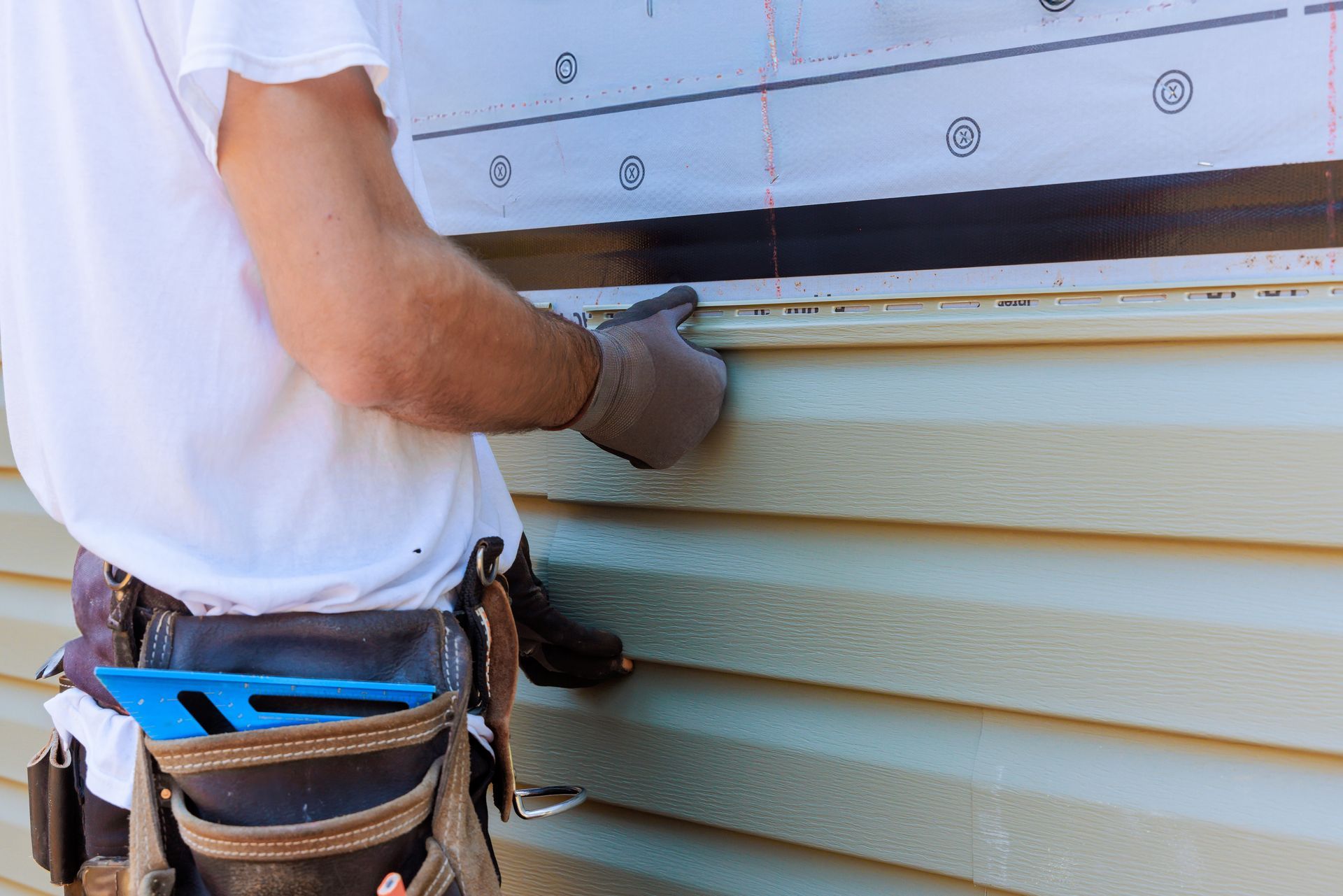
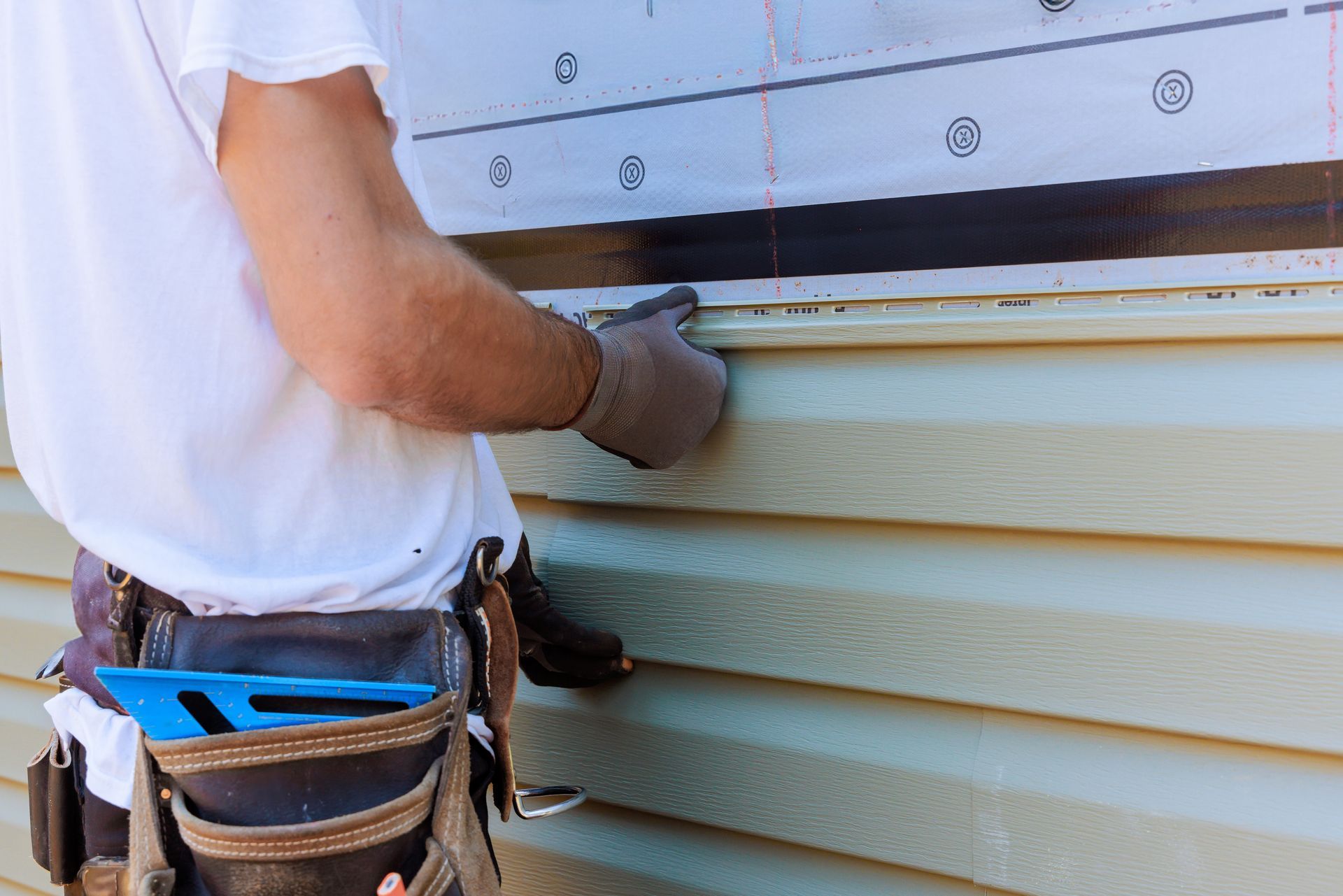
Vinyl is the most budget-accessible option and can be a practical choice for certain Sacramento properties. It is low-maintenance, resists moisture, and installs quickly. However, Sacramento's heat introduces a specific concern: dark-colored vinyl siding starts to soften and distort at 160°F to 165°F, and surface temperatures above 220°F have been documented on dark panels hit by reflected light from glass or concrete. Color selection matters significantly in the Sacramento valley. A knowledgeable installer can walk you through options better suited to the valley's heat before installation begins.
Vinyl is also not fire-resistant in the way fiber cement is and can burn or melt at lower temperatures than wood. It is generally better suited to neighborhoods in the central Sacramento grid, Arden-Arcade, or Carmichael than to foothill locations with higher fire exposure. Vinyl siding typically lasts 20 to 40 years.
Engineered Wood Siding (LP SmartSide)
Engineered wood, such as LP SmartSide, is often the product a siding contractor suggests for homeowners who want the look and warmth of natural wood with better resistance to the issues that affect traditional wood siding. It is treated against fungal decay and sealed to block water absorption and cracking, making it a practical middle-ground solution for homeowners who want a wood aesthetic without heavy maintenance demands. It does not carry the same fire rating as fiber cement, so it may be less suitable for properties in or near Very High FHSZ areas. Engineered wood averages 20 to 30 years depending on climate and upkeep.
Material Comparison at a Glance
When comparing the three materials side by side, fiber cement leads on fire rating with a Class A noncombustible designation, while vinyl carries no fire resistance and engineered wood falls somewhere in between with treated construction that still rates lower than fiber cement. For UV and heat performance, fiber cement excels, engineered wood performs well, and vinyl is fair but only in lighter colors. Maintenance is very low for vinyl, low for fiber cement with repainting needed around the ten-year mark, and low to moderate for engineered wood. Lifespan runs 30 to 50 years for fiber cement, 20 to 40 years for vinyl, and 20 to 30 years for engineered wood. Fiber cement is best suited for wildfire zones and long-term value, vinyl works well for budget-conscious homeowners in low fire-risk areas, and engineered wood suits those who want a wood aesthetic with less upkeep. On WUI Code compliance, fiber cement qualifies, vinyl does not, and engineered wood varies by product.
Does Your Neighborhood Affect Which Siding Is Right for You?
Yes, location within the Sacramento metro matters. A home in Land Park or Natomas has very different risk and code considerations than a home in Folsom or along the foothills east of Highway 50. If your property is in a California Very High Fire Hazard Severity Zone, your siding must meet ignition-resistant or noncombustible standards under the California Wildland-Urban Interface Code, Title 24 Part 7. A knowledgeable siding contractor can check your property's fire zone status before recommending a material, so you avoid code issues during permitting.
Does Siding Material Affect Energy Efficiency in Sacramento?
It can. Insulated vinyl can lower cooling load during 100-degree Sacramento summers. Fiber cement, installed with proper insulation backing, also contributes to a tighter building envelope. In Sacramento's climate, where air conditioning costs climb steeply in July and August, the insulating value of your siding assembly is worth considering alongside fire performance and longevity.
Get Expert Siding Guidance Serving Sacramento, CA
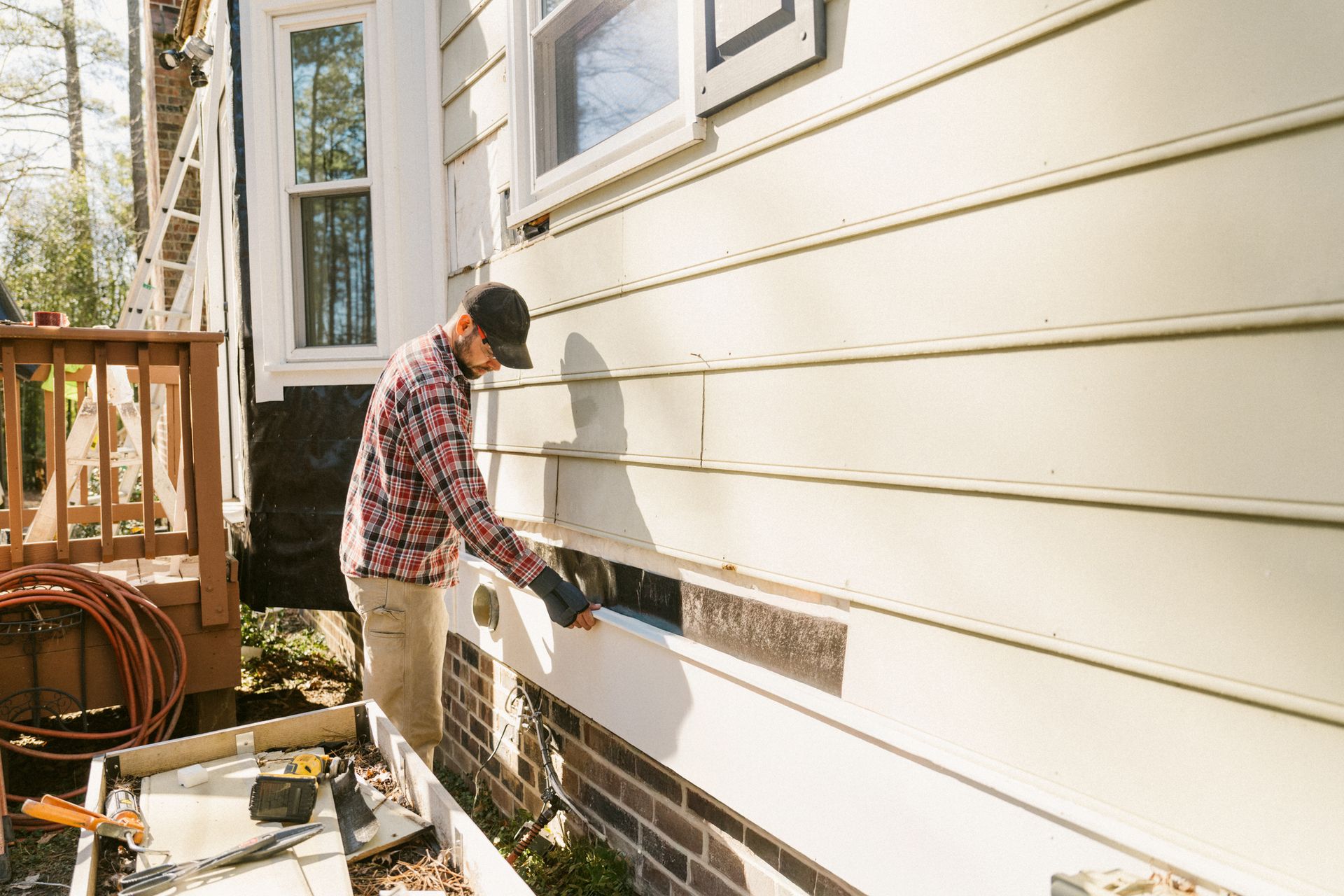
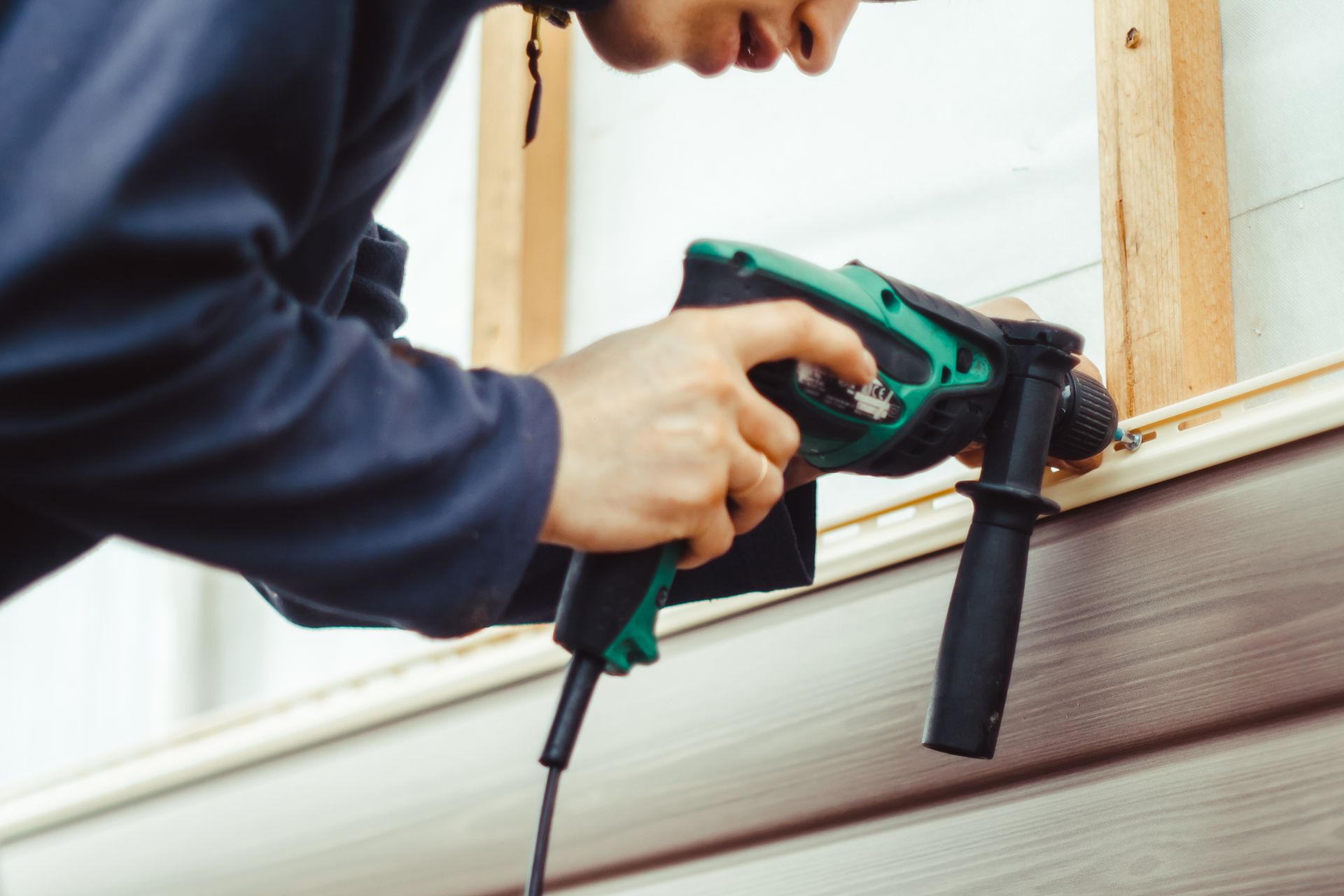
Selecting the best material is only part of the equation. Proper installation determines how well any siding performs over decades. Poorly installed fiber cement can still crack or allow water intrusion, and even quality vinyl will fail early if not fastened correctly for thermal expansion in Sacramento's heat.
877 New Look Siding serves Sacramento, CA, and surrounding communities including Folsom, El Dorado Hills, Granite Bay, and Carmichael. As an Elite Preferred James Hardie contractor with over 25 years of installation experience, the team works with fiber cement, LP SmartSide, and vinyl siding options.
Request a free estimate by visiting the siding services page or call (916) 631-4333 to speak with a specialist. You can also learn more on the fiber cement siding page. Contact us today to get started.